
Should mobility work for everyone, across age, ability, and background? Join a student-focused summer school organised by Ghent University and the BOPALiM COST Action, combining expert-led sessions, applied case work and peer learning on accessibility, affordability and usable information in real mobility systems.
What you gain
- Hands-on case work with feedback from academics and practitioners
- Practical skills you can use in study projects and early research
- A network of peers working on inclusive mobility across countries
- 3 ECTS and a certificate of participation upon completion
Summer School Tracks
Both tracks include selected joint sessions, so you also learn with the broader cohort.
-
Track A: Fitness to Drive
Fitness-to-drive assessment and intervention across countries. Compare approaches shaped by health, context and regulation, including legislation and guidelines. This track is only available for applicants currently involved in the BOPALiM COST Action. -
Track B: Inclusive Mobility
Inclusive community mobility in policy and practice. Examine how policy, regulation and implementation shape everyday mobility access through real initiatives and examples. Apply for this track here.
See Contents & methods below for session details and learning activities.

Introduction
Sustainable mobility receives a lot of attention, but inclusive mobility deserves the same focus. Many new transport solutions work well for people with few constraints, yet become difficult to use when people face barriers related to mobility, cost or information.
Cities are increasingly addressing accessibility, but important gaps remain. Beyond the built environment, affordability and clear, usable information often determine whether a service can be used in practice. There is also a need to better understand travel needs and constraints across people with diverse mobility needs, including how trips are made, how long they take and which modes are realistic options.
This Summer School brings students and early career participants together to build that understanding and develop practical responses through applied case work.
Contents & methods
During the Summer School, you will work with academic staff and invited experts from practice and the public sector to explore solutions for inclusive mobility. The programme is hands-on and built around real cases provided by partner organisations, where teams analyse a concrete challenge and develop feasible responses. Learning takes place through short lectures, interactive workshops and guided teamwork. Throughout the week, you will receive input and feedback from the teaching team and peers. At the end of the programme, teams present their work to a jury and receive structured feedback, including suggestions for next steps and further resources.
Track A: Fitness to Drive - Considerations for Assessment and Intervention in Diverse Contexts
This track focuses on medical fitness-to-drive assessment and intervention across countries. It examines how health, context and regulatory frameworks shape practice, with cross-country discussion on legislation and guidelines. This track is only available for applicants currently involved in the BOPALiM COST Action.
Track B: Inclusive Mobility - Considerations for Policy and Practice in Diverse Contexts
This track focuses on inclusive community mobility in policy and practice. It explores how legislation, regulation and implementation influence mobility access, using practical examples of initiatives aimed at improving inclusion. This track is particularly relevant if you are interested in policy, implementation and real-world impact.
Learning goals
By the end of the programme, participants will be able to:
- Describe travel needs, preferences and constraints among people with diverse mobility needs
- Translate inclusive mobility challenges into clear value propositions
- Develop a solution concept into a coherent proposal with practical next steps
All lecture and classroom materials are included, and upon successful completion of the program, participants will receive a certificate of participation and 3 ECTS credits.
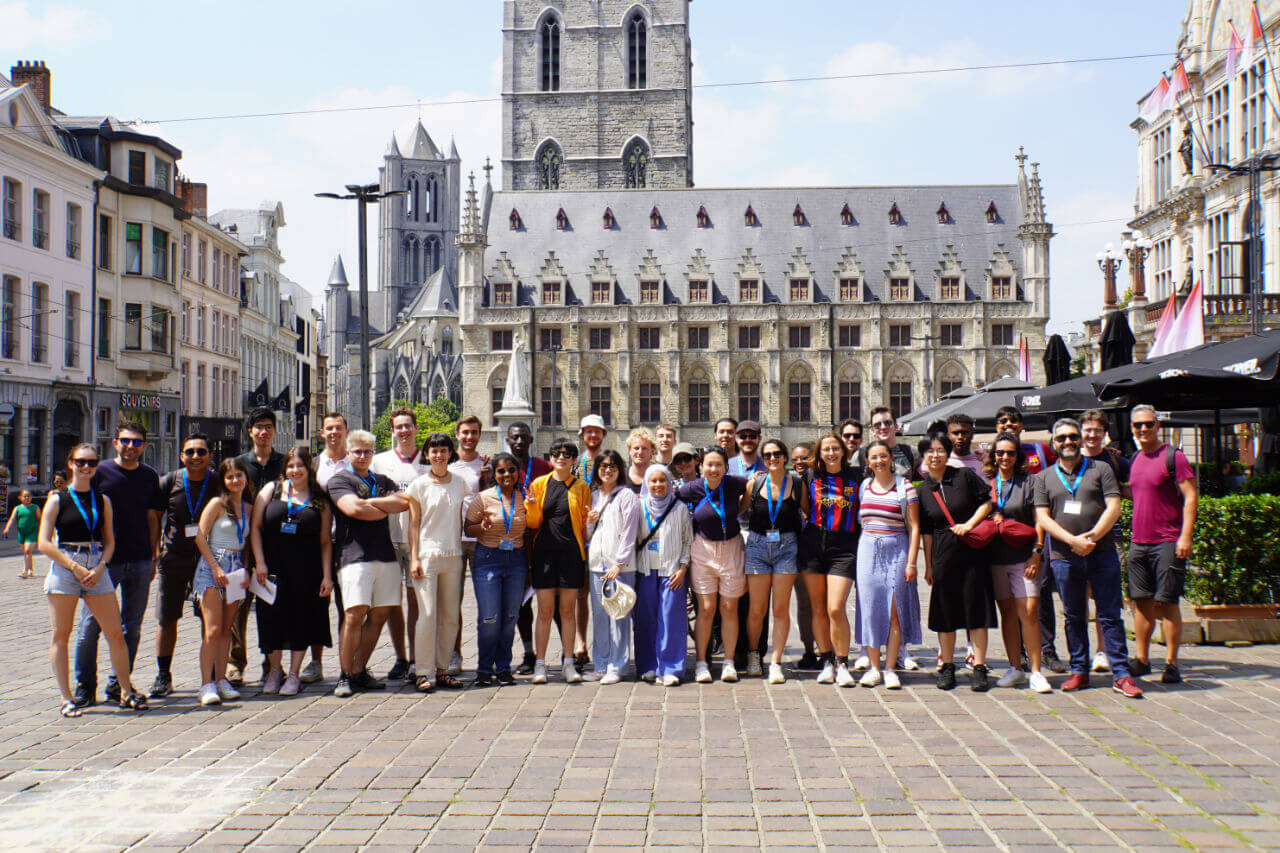
Is this Summer School right for you?
This Summer School is designed for students (bachelor, master and PhD) and early career applicants who are interested in inclusive urban mobility. We welcome diverse backgrounds, including engineering, computer science, sociology, urban planning and public policy.
Who should apply:
You want hands-on experience working on real inclusive mobility challenges. You are interested in how mobility solutions translate into policy, implementation and real-world impact You enjoy teamwork in international and multidisciplinary groups.
What you need:
- Motivation to learn through fieldwork and teamwork
- Comfort working in English in a group setting
What you do not need:
- Prior expertise in inclusive mobility
- A specific degree background
Information guide and programme
Stay tuned! The programme and guide will be available on this page as soon as they're ready. Check back soon for updates!
The agenda will follow this general structure:

Dates & locations
The Summer School will take place in the historic city of Ghent, Belgium, from June 18 to June 26, 2026.
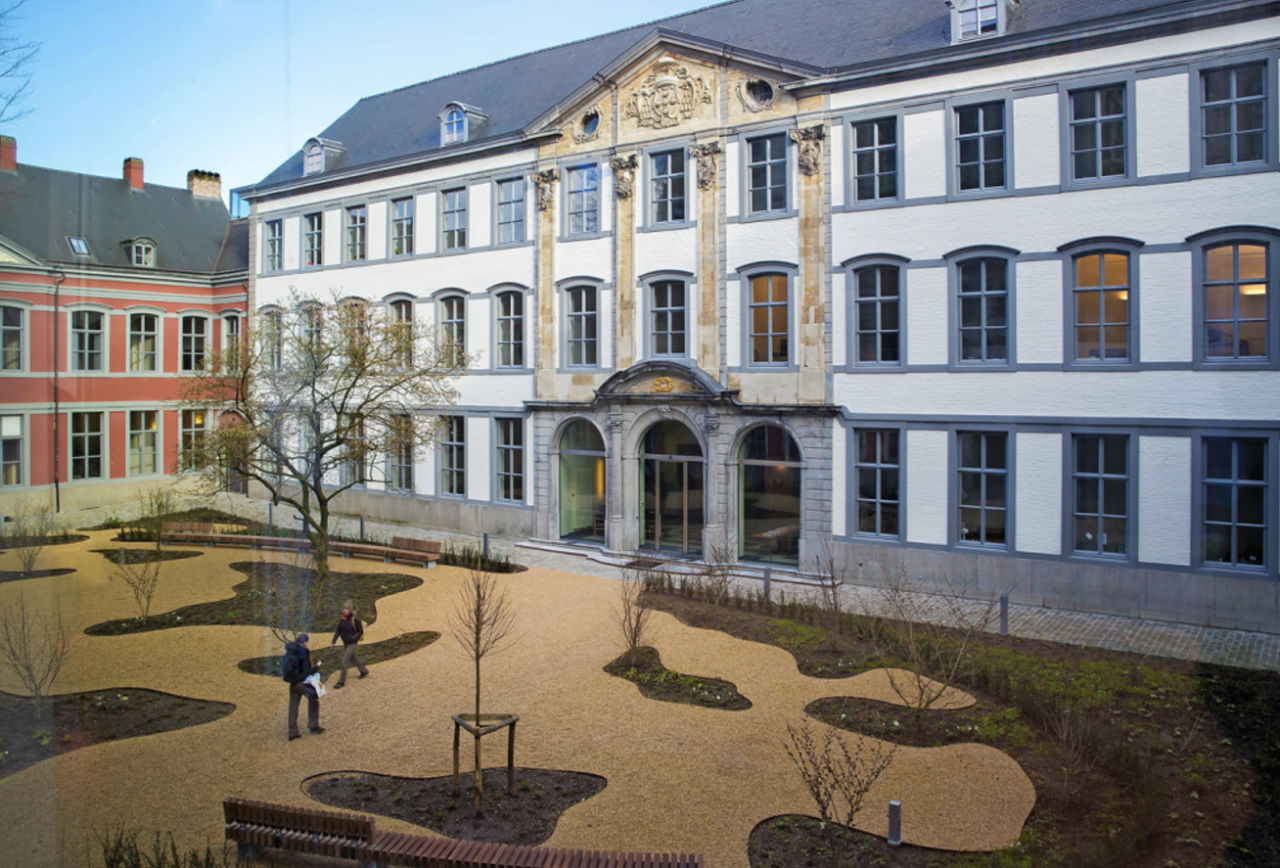
Sessions are held at Sint-Baafshuis, next to Saint Bavo’s Cathedral, in Ghent’s historic city centre. The venue is within walking distance of major public transport connections and central amenities.
Participation Contribution
The registration contribution includes:
- Registration in the course (3 ECTS)
- Course materials and attendance certificate
- Site visits and practitioner sessions
- Mentoring and jury feedback
- Field trip activities
- Most meals during programme days
- Accommodation (with extra fee)
Participants remain responsible for covering their own travel costs to Ghent.
| Participation Contribution | Early bird 1 | Regular |
|---|---|---|
| Standard registration | 1150 EURO | 1300 EURO |
| BOPALiM participant contribution | 950 EURO | 950 EURO |
| Students from low/medium income countries2 | 800 EURO | 950 EURO |
| Local student from Ugent | 280 EURO | 380 EURO |
| UGent PhD students3 | FUNDED | FUNDED |
| BOPALiM Trainer Contribution | 550 EURO | 550 EURO |
| Extra for accommodation (double shared room) | 750 EURO | 750 EURO |
- 1 Early bird deadline is on April 30.
- 2 Countries in low/lower-middle/upper-middle categories are eligible for the reduced fee. The full list can be found here: datahelpdesk.worldbank.org.
- 3 Up to 10 UGent PhD students can participate with a registration contribution covered by UGent Doctoral Schools, with the support of the Flemish Government.
Accommodation
Hotel Ibis
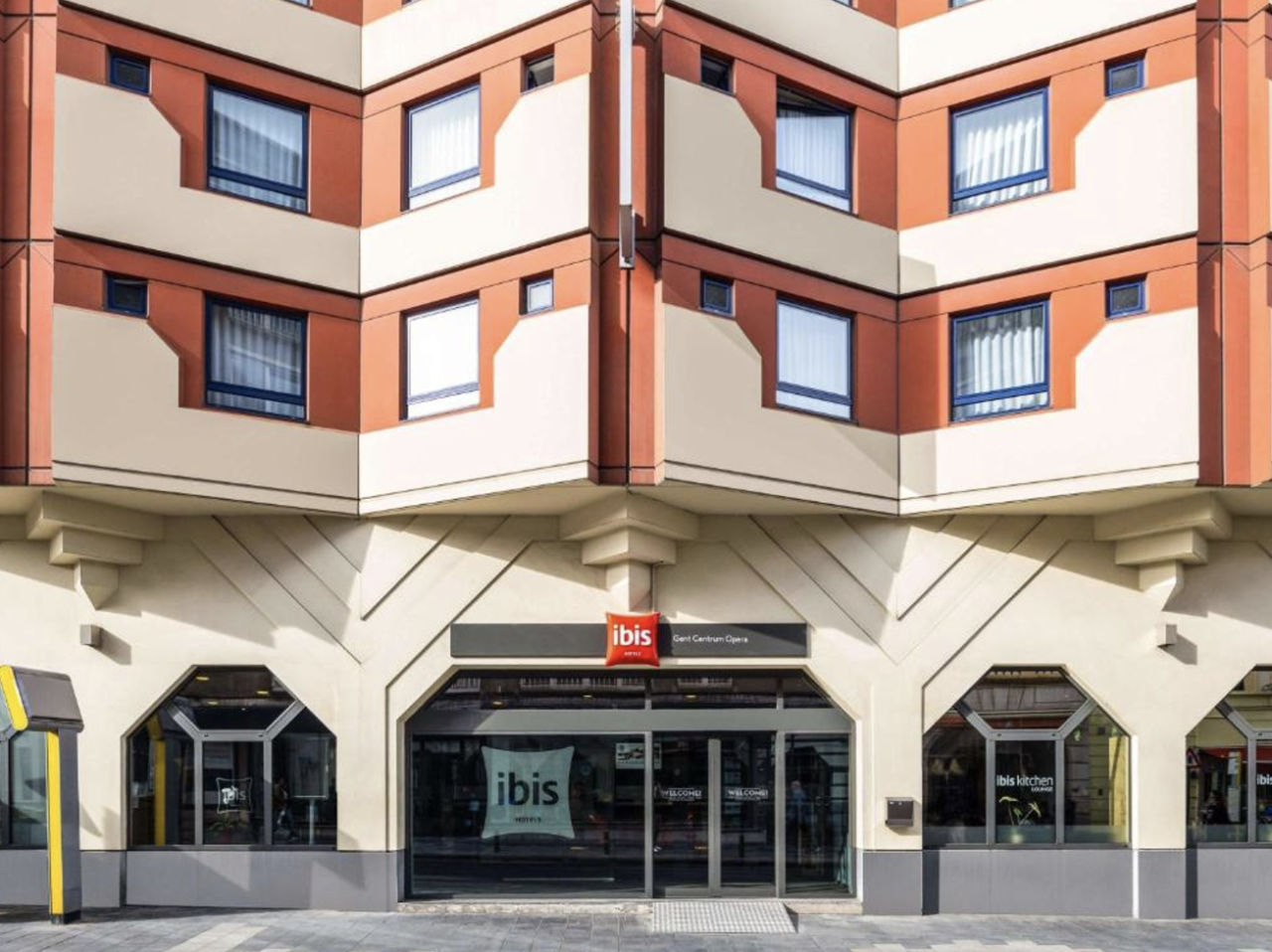
Accommodation is offered at ibis Gent Centrum Opera (3-star), located in central Ghent, within walking distance of key sites and public transport connections.
Rooms include a private bathroom and WiFi. Breakfast is available at the hotel, with nearby dining options in the city centre. The accommodation option is offered as a shared double room.
How to apply
Apply by completing the application form and uploading:
- your CV
- a short motivation letter
Please note that spots are limited, so we encourage you to secure your place soon.
Deadlines
- Early bird deadline: 30 April, 2026
- Regular application deadline: 31 May, 2026
Visa note: Participants who require a Schengen visa should apply no later than April 15, 2026.
Late applications: If you apply without accommodation, later applications may be considered if places remain. Contact the organisers by email to check availability after 31 May 2026.
Study credentials
The summer school has a value of 3 ECTS credits. To include the credits in the curriculum at the home institution, participants need an agreement with the responsible person at their university. A certificate of participation will be awarded at the end of the programme.
Contact
If you have any questions, please do not hesitate to contact us:
Organizing team
- Giovanni Circella, Ghent University
- Frank Witlox, Ghent University
- Maria Alejandra Gaitan, Ghent University
- Alessandro La Delfa, Ghent University
- Hasan Al Banna, Ghent University

This training school is organized as part of COST Action CA23101 BOPALiM, supported by COST (European Cooperation in Science and Technology).
COST (European Cooperation in Science and Technology) is a funding agency for research and innovation networks.
Our Actions help connect research initiatives across Europe and enable scientists to grow their ideas by sharing them with their peers. This boosts their research, career and innovation.
Our summer school is officially listed on Summer Schools in Europe. Discover more here.



With the support of:


Field Trip
A selected field trip programme is included to help participants connect with the cohort.
Saturday – Ghent city tourParticipants will discover Ghent through a guided visit in the historic centre. The programme includes a tour of Gravensteen Castle and a canal boat tour, offering a different view of the city’s architecture and urban fabric.
A one-day excursion to Bruges, with a guided walk through the medieval centre. The visit includes time around the Market Square and the Belfry, plus free time to explore at your own pace. The trip also supports the Summer School themes by offering a chance to reflect on how historic urban form, tourism and public space design interact with accessibility and everyday mobility.
Monday - Walk/bike tour of GhentOn Monday afternoon, participants can choose between a walking tour or a bike tour focused on Ghent’s transport infrastructure. The tour connects local examples to the Summer School themes and supports discussion of mobility challenges in their real-world context.
Necessary arrangements will be made to accommodate participants with reduced mobility.